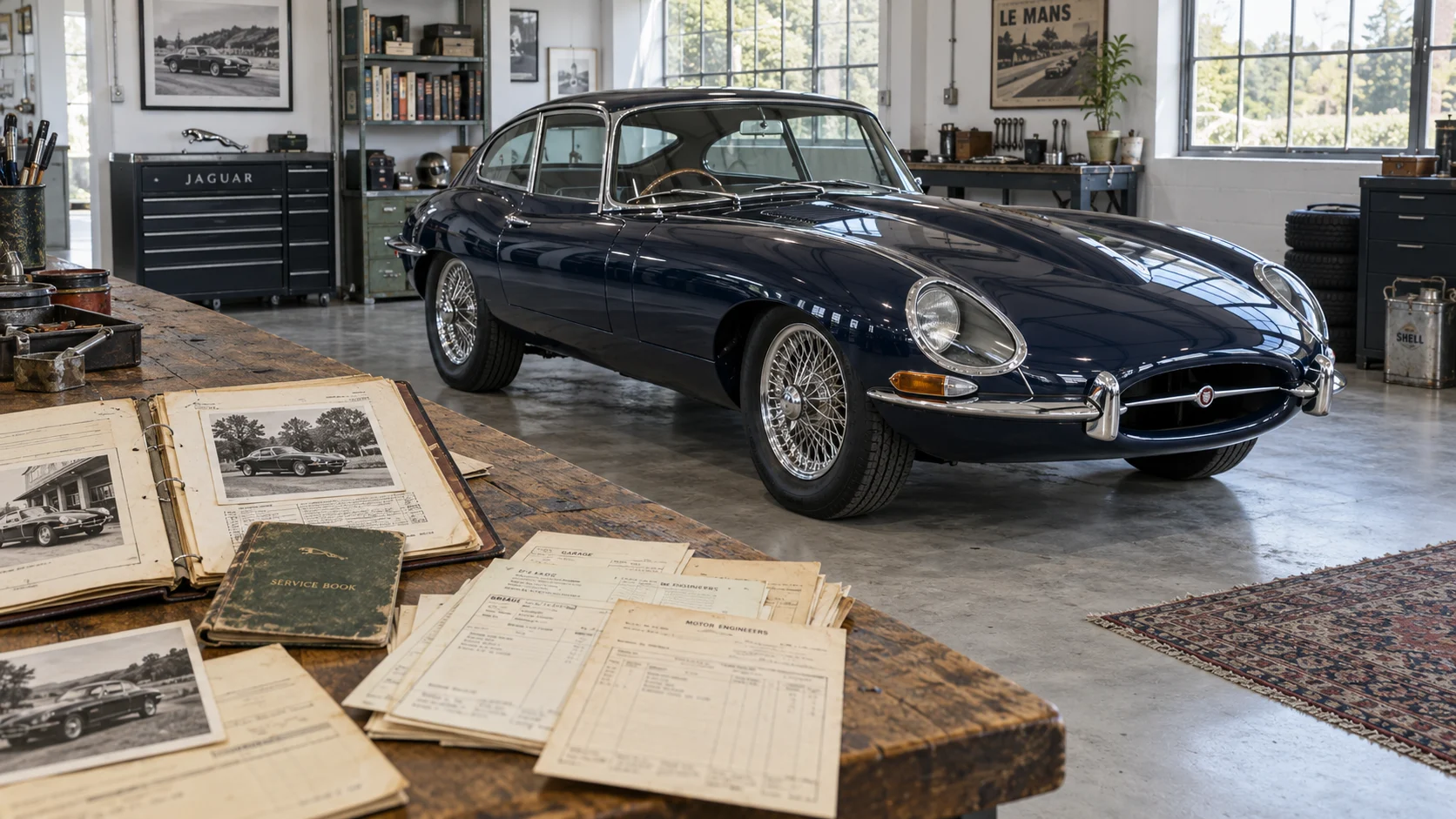

An E-Type can make a person forget to ask sensible questions. The bonnet does most of the work, and the rest of the body finishes the conversation. Beside the car, however, there may be a folder with cracked plastic sleeves and an elastic band that has given up. Give that folder a chair at the meeting.
Start with the paperwork that identifies the car and work outward. Read dates, vehicle numbers, descriptions of work, and the names of the businesses involved. Put the material in chronological order. The aim is to build an understandable account of the car, with gaps left visible. A thick binder is useful only if the contents relate to the vehicle in front of you.
Photographs can be particularly revealing. A dated image may show an earlier color, different wheels, an accessory, or the condition before repairs. Ask where the photograph came from and how the car in it was identified. A similar-looking Jaguar is still another Jaguar until there is a sound reason to connect the two.
Factory information has a specific job. The Jaguar Daimler Heritage Trust can provide recorded production details through its Heritage Certificates. The Trust also explains that a certificate does not, by itself, establish a particular vehicle's identity, provenance, originality, present condition, or ownership. Treat the document as one source to compare with the car and its other records. The Trust's explanation is linked below.
Workshop invoices tell a different part of the story. An invoice describing work undertaken is more informative than a vague assurance that everything was done. Even then, the paper needs context. When was the job completed? What was included? What has happened since? Have a qualified specialist inspect the car independently. The documents and the physical inspection should inform each other.
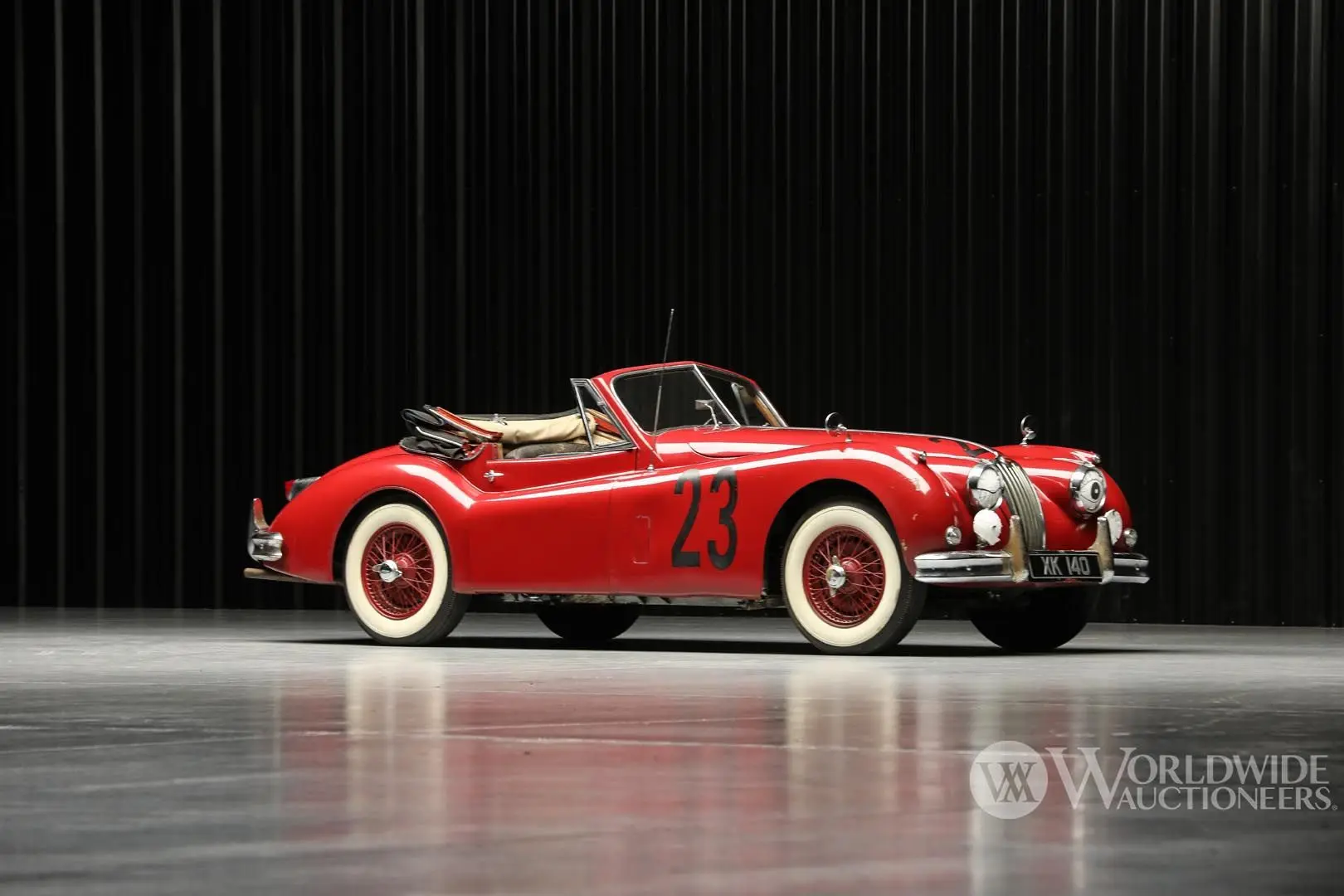
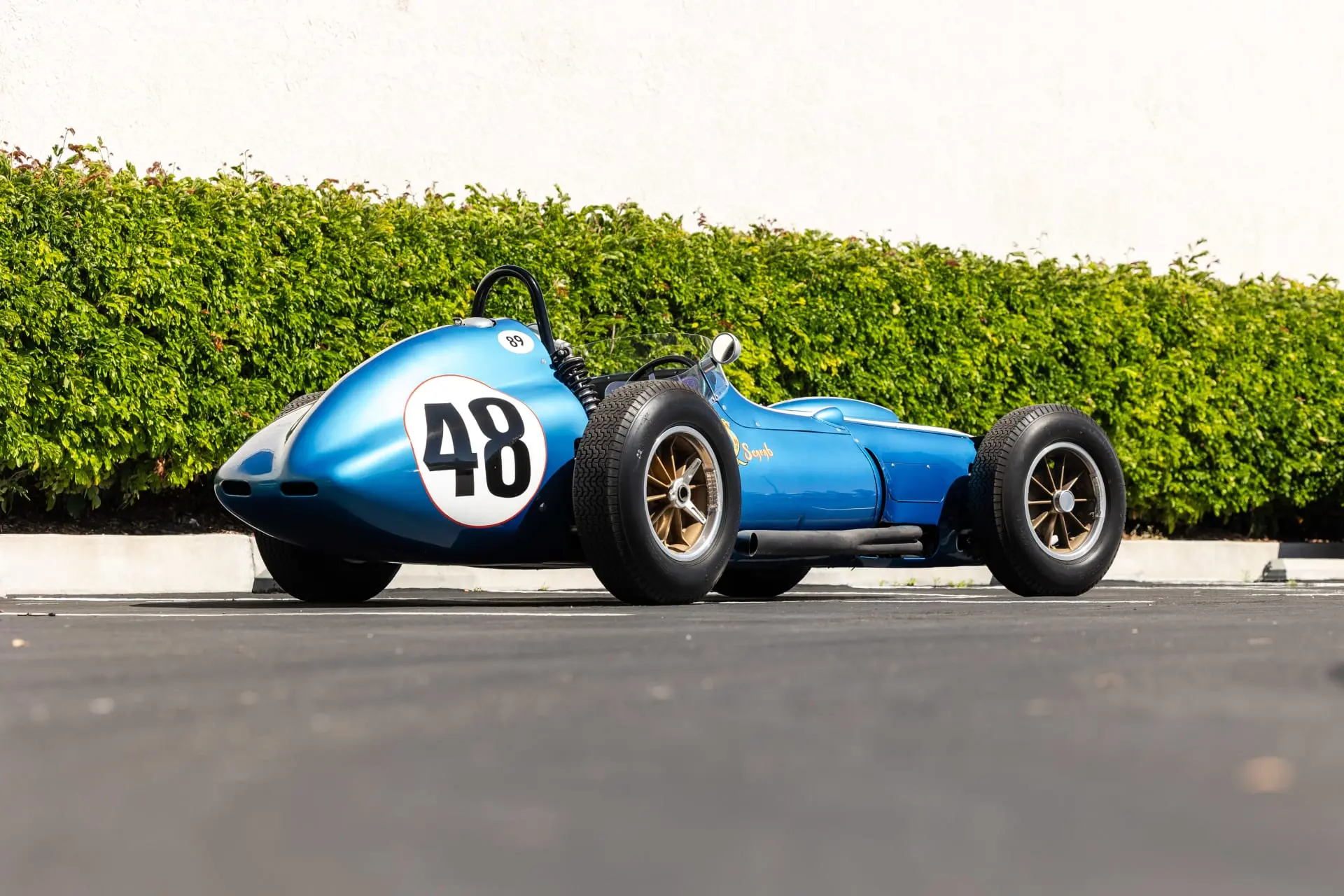
Be careful with the language that grows around a car. A race number in a photograph deserves investigation. It does not settle which event took place, who drove, or whether the pictured vehicle is this one. Write down the claim and its source. Separate what is documented from what is remembered and what remains unconfirmed. That distinction makes a story stronger.
Missing records do not automatically make a car a bad proposition. They give you questions to resolve and limits to acknowledge. An honest description of what is known helps a reader far more than confident prose filling every empty year. Sometimes the accurate account is simply that the ownership record resumes at a certain date.
If you already own the car, there is an easy place to improve matters. Scan the documents, retain the originals, and file new work as it happens. Label photographs with dates and descriptions. Keep private addresses and other personal information out of public galleries. Let the next owner inherit a usable record along with the keys.
You can still stand back and admire the Jaguar afterward. In fact, knowing which details are supported may give you more to appreciate. The shape gets people across the room. A well-kept folder helps the conversation survive the first serious question.
Reference: Jaguar Daimler Heritage Trust on Heritage Certificates.